
If you’re looking into solar panels for your home, there’s a good chance you’ve asked yourself the same question most people do at the start:
Is solar actually worth it in Yorkshire?
In many cases, yes, it is. Yorkshire might not be known for wall-to-wall sunshine, but solar panels do not need constant direct sunlight to work. They generate electricity from daylight, which means they can still produce power on bright, cloudy and overcast days.
For many homeowners, solar is now less about chasing perfect weather and more about using their roof space properly, reducing electricity bills and relying less on the grid. With the right design, a good quality installation and a system matched to how your household uses energy, solar can make a lot of sense.
At KOVE Electrical & Renewables, we design and install solar PV systems for homes and businesses across Leeds, Yorkshire and the surrounding areas. Our advice is always based on the property in front of us, not guesswork or generic figures.
Do solar panels work on cloudy days?
Yes, they do.
This is one of the biggest misunderstandings around solar. Solar panels work from daylight, not just strong summer sunshine. Output will naturally be lower on dull winter days compared with a clear summer afternoon, but your system can still generate electricity whenever there is daylight.
In Yorkshire, that matters. We get plenty of mixed weather, but we also get long daylight hours through spring and summer, plus useful generation through autumn. A well-designed solar PV system can still contribute a good amount towards a property’s yearly electricity use.
The key is making sure the system is designed properly from the start. Panel position, roof space, shading, inverter choice, battery options and your own usage habits all play a part.
How much could solar save you?
There is no honest one-size-fits-all answer to this.
Two houses on the same street can get very different results from solar. One household might use most of its electricity during the day, while another uses more in the evening. One property might have an electric vehicle, another might be planning to add a battery later. These details make a big difference.
Your potential savings will usually depend on things like:
- How much electricity you use each year
- When you use the most electricity
- The size and layout of your roof
- Whether your roof is affected by shading
- Whether you add battery storage
- Whether you charge an electric vehicle at home
- Your current electricity tariff and export options
That’s why we avoid throwing out unrealistic savings figures before looking at the property properly. A proper solar design should show expected annual generation and give you a realistic idea of how the system could perform for your home.
Is my roof suitable for solar panels?
Most people assume a roof has to face perfectly south for solar to be worthwhile. A south-facing roof is often ideal, but it is not the only option.
East and west-facing roofs can work very well too. In some homes, they can even suit the way electricity is used throughout the day, with generation spread more evenly across the morning and afternoon.
When we assess a roof for solar, we look at more than just the direction it faces. We consider:
- Roof orientation
- Roof pitch
- Available roof space
- Shading from trees, chimneys or nearby buildings
- The condition of the roof
- Your current electricity usage
- Whether battery storage would improve the system
Every property is different, so every solar PV system should be designed around that property.
 Can you put solar panels on a north-facing roof?
Sometimes, yes.
A lot of homeowners have been told that a north-facing roof is not suitable for solar. That might have been a common rule of thumb years ago, but it is not always true now.
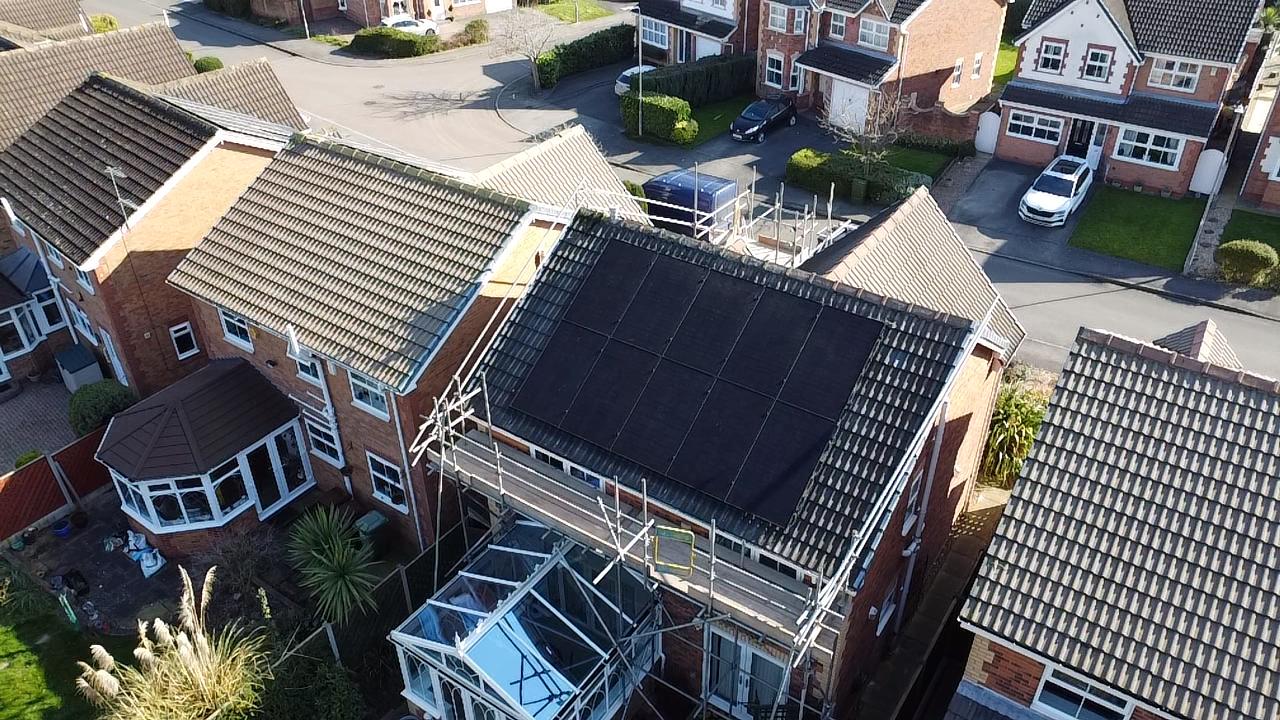
Modern solar panels are more efficient than older systems, and roof pitch can make a big difference. A shallow north-facing roof with very little shading may still perform better than a south-facing roof that is heavily shaded for large parts of the day.
We would not recommend solar on a north-facing roof without checking the numbers first. That is where proper design software and a site-specific assessment come in. We look at the expected generation before giving advice, so you can make a decision based on the data rather than guesswork.
 Should I add battery storage?
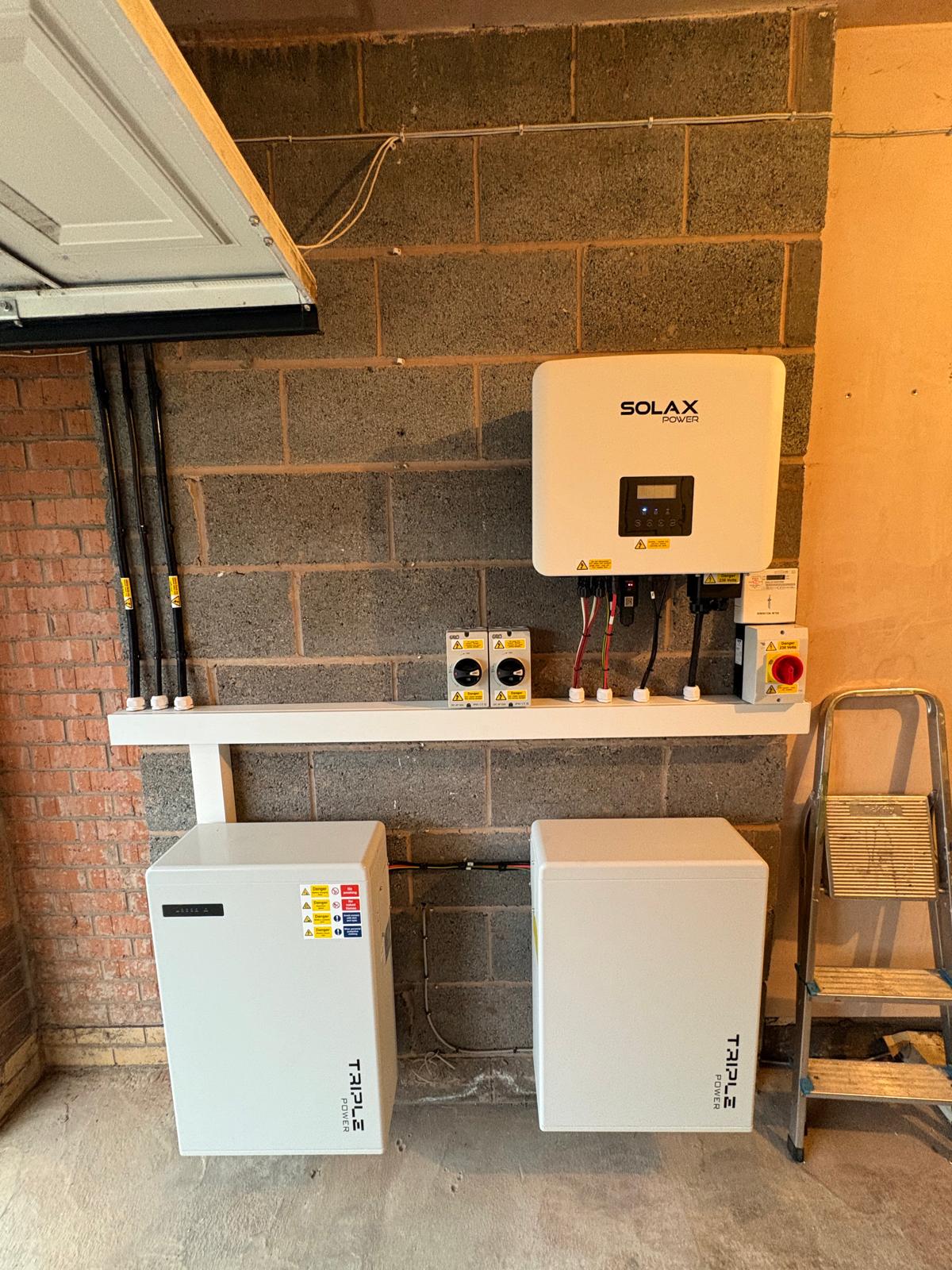
For many homes, battery storage is one of the most useful additions to a solar PV system.
Without a battery, the electricity you do not use straight away is usually exported back to the grid. That is not necessarily a bad thing, but it does mean you may be buying electricity back later in the day when your panels are not producing as much.
With solar battery storage, you can store more of the electricity your panels generate and use it later, often in the evening when many households use the most energy.
A battery is not right for every home, but it can be a strong option if you:
- Use a lot of electricity in the evening
- Want to rely less on the grid
- Work away from home during the day
- Have or plan to install an electric vehicle charger
- Want to make better use of the electricity your panels generate
The right battery size depends on your usage, your solar system and your plans for the property. We will always talk through the options clearly before recommending anything.
What if I have an electric vehicle?
If you own an electric vehicle, or you are thinking about getting one, solar can be even more useful.
Charging an EV at home increases your electricity usage, but it also gives you more opportunity to use the power your solar panels generate. With the right setup, you may be able to put more of your own renewable electricity into your car rather than buying all of it from the grid.
KOVE Electrical & Renewables also installs EV chargers, so we can look at the full picture if you want solar, battery storage and car charging to work together properly.
Is solar still worth it if I export electricity back to the grid?
Yes, it can be.
For most homeowners, the biggest benefit usually comes from using as much of their own solar electricity as possible. However, if your system generates more than you use, you may be able to export the surplus back to the grid through an eligible export tariff.
This is another reason why system design matters. The aim is not always to fit as many panels as possible. The aim is to design a system that suits your roof, your budget and the way you actually use electricity.
Why choose KOVE Electrical & Renewables?
We believe solar should be designed around the customer, not around selling the biggest system possible.
Our team takes the time to understand your property, your electricity usage and what you want to achieve. That might be lower bills, better energy independence, EV charging, battery storage or simply making better use of your roof space.
We are a family-run electrical and renewables contractor based in Leeds, working across Yorkshire and beyond. Our focus is on safe, reliable work, honest advice and clear communication from start to finish.
If we do not think solar is right for your property, we will say so. That is a much better approach than installing a system that will not perform the way it should.
 Why do we charge for a solar system design?
A proper solar design takes time.
It is not just a quick measurement of your roof and a price sent over by email. A professional design needs to look at roof layout, orientation, pitch, shading, expected generation, inverter sizing, battery options and how your household uses electricity.
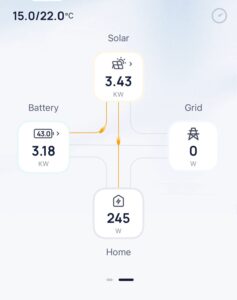
We use specialist design software to create systems that are tailored to each property. This gives you a clearer picture of what can be installed, how it is likely to perform and whether the investment makes sense.
For customers who want a detailed proposal, we carry out a Solar Design & Feasibility Assessment. This includes a designed system, expected annual generation and a detailed quotation.
If you choose KOVE Electrical & Renewables to complete the installation, the design fee is deducted from your final installation cost.
We think this is the fairest way to work. It means we can give proper time and attention to customers who are seriously considering solar, while providing accurate designs rather than rough estimates.
So, is solar worth it in Yorkshire in 2026?
For many homes, yes.
Solar panels can work well in Yorkshire, even with our changeable weather. The most important thing is having the system designed properly for your property, your energy usage and your long-term plans.
If you are considering solar panels, battery storage or EV charging, get in touch with KOVE Electrical & Renewables. We will take a proper look at your property and give you honest advice on what is likely to work best.
Frequently asked questions
Do solar panels need direct sunlight?
No. Solar panels generate electricity from daylight, so they can still work on cloudy days. They usually produce more on bright, sunny days, but direct sunlight is not essential.
Can north-facing roofs have solar panels?
Yes, some north-facing roofs can be suitable for solar panels. Roof pitch, shading and available space are often just as important as the direction the roof faces.
How long do solar panels last?
Most good quality solar panels are designed to last 25 years or more. Many continue to perform well beyond their warranty period, although output can gradually reduce over time.
Can I add a battery later?
Yes. Many homeowners install solar panels first and add battery storage later. If this is something you are considering, it is worth mentioning during the design stage so the system can be planned with future upgrades in mind.
How long does a solar installation take?
Most domestic solar PV installations are completed within one to three days, depending on the size of the system, the roof layout and the complexity of the installation.